
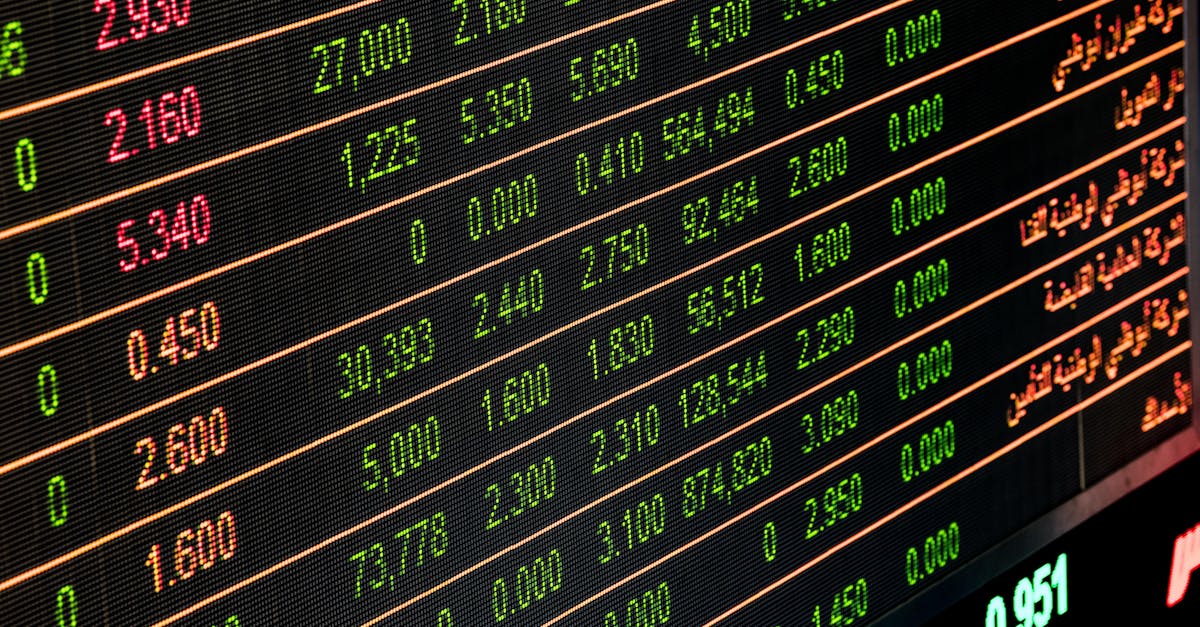
Economic trends are like the weather forecast for the financial world. Just as you wouldn’t head out without checking if it’s going to rain, understanding economic trends can save you from financial storms. These patterns reveal how economies grow, shrink, or change direction, influencing everything from job markets to your morning coffee price.
Table of Contents
ToggleUnderstanding Economic Trends
Economic trends reflect shifts in economic activity and influence financial decision-making. Observing these trends enables individuals to anticipate changes in job markets and consumer prices. Trends emerge from analyzing various economic indicators, including gross domestic product (GDP), inflation rates, and employment figures.
For instance, a rising GDP typically suggests economic expansion, which can lead to increased job opportunities. Conversely, high inflation can signal decreased purchasing power, affecting consumer behavior and spending habits. Factors such as interest rates also play a critical role; lower rates often encourage borrowing, stimulating economic growth.
Identifying trends allows for informed planning, whether in personal finance or business strategy. Investors track market trends to make profitable decisions, while businesses adjust operations based on consumer trends. Economic reports published by government agencies provide essential data for understanding these dynamics.
Analyzing historical data helps forecast future trends. For example, the correlation between unemployment rates and consumer spending proves significant; higher unemployment usually correlates with reduced spending. Thus, economic forecasts become valuable tools for navigating financial landscapes.
Recognizing potential shifts can prevent financial difficulties. Keeping updated with economic releases, like monthly job reports or inflation statistics, empowers individuals and businesses. Adapting to changing trends fosters resilience, allowing for strategic adjustments in investments and budgets. Awareness of these trends can significantly influence financial well-being and success.
Types of Economic Trends
Economic trends can be categorized into short-term and long-term trends. These categories help in analyzing economic activity effectively.
Short-Term Trends
Short-term trends emerge over months or a couple of years. Fluctuations in employment rates, consumer spending, and inflation often characterize them. Economic data reports frequently reveal these trends, providing insights into immediate market conditions. For instance, during a recession, consumer confidence may dip, leading to decreased spending. Analyzing these trends allows policymakers to implement timely measures that stabilize the economy. Businesses can also adapt to changing consumer behavior and adjust their strategies accordingly.
Long-Term Trends
Long-term trends unfold over several years and indicate broader economic shifts. These trends encompass demographic changes, technological advancements, and sustained shifts in consumer preferences. For example, the rise of e-commerce represents a significant long-term trend affecting retail markets. Observing these trends helps investors and businesses identify growth opportunities and develop robust strategies. Economic forecasts based on historical data can guide decision-making for future investments. Adapting to long-term trends ensures resilience and sustained success in a dynamic economic landscape.
Key Factors Influencing Economic Trends
Economic trends are shaped by various factors that impact growth and stability. Understanding these influences allows individuals and businesses to navigate financial landscapes effectively.
Consumer Behavior
Consumer behavior directly affects economic performance. Shifts in spending patterns reflect changes in confidence and economic conditions. For instance, increased consumer spending often signals economic expansion, while decreased spending may indicate uncertainty. Seasonal trends also play a role; holidays typically boost retail sales. Examining consumer sentiment surveys helps gauge how people perceive their financial situations, influencing purchasing decisions. Additionally, preferences for online shopping can shift demand across different sectors. Monitoring these behaviors assists businesses in adapting to market shifts.
Government Policies
Government policies significantly impact economic trends. Regulations, taxation, and fiscal stimulus decisions shape the business environment. Tax cuts can spur consumer spending and investment, while increases in government spending may enhance economic activity. Monetary policy, managed by central banks, adjusts interest rates, influencing borrowing costs for consumers and businesses. For instance, low-interest rates often stimulate economic growth by encouraging loans and investments. Tracking changes in policy announcements allows investors and businesses to understand potential economic direction. Effective policies foster stability, guiding long-term economic growth and structural changes in the economy.
Measuring Economic Trends
Measuring economic trends involves assessing various critical indicators and employing specific analysis methods. These tools provide valuable insights into economic performance and future shifts.
Economic Indicators
Economic indicators serve as essential metrics for understanding economic health. Gross Domestic Product (GDP) reflects the overall economic activity and performance. Unemployment rates indicate labor market conditions, while inflation rates measure purchasing power changes. Retail sales figures demonstrate consumer spending habits. By closely monitoring these indicators, individuals and businesses can gauge economic conditions accurately and make informed decisions.
Data Analysis Methods
Data analysis methods play a vital role in interpreting economic indicators effectively. Statistical techniques, such as regression analysis, identify relationships between different economic variables. Time series analysis helps detect patterns over time, revealing trends and cyclical movements. Additionally, comparative analysis allows for benchmarking against historical data or peer economies. These methods enhance understanding of economic dynamics, empowering stakeholders to react promptly to changes in trends.
Economic trends play a crucial role in shaping financial decisions and strategies. By staying informed about these trends individuals and businesses can navigate the complexities of the economic landscape more effectively. Understanding the implications of short-term and long-term trends enables proactive planning that enhances financial resilience.
Monitoring key indicators and recognizing shifts in consumer behavior and government policies further empower stakeholders to adapt swiftly. This awareness not only fosters informed decision-making but also positions them for success in an ever-evolving economic environment. Embracing the insights derived from economic trends ultimately leads to better financial outcomes and strategic growth opportunities.


