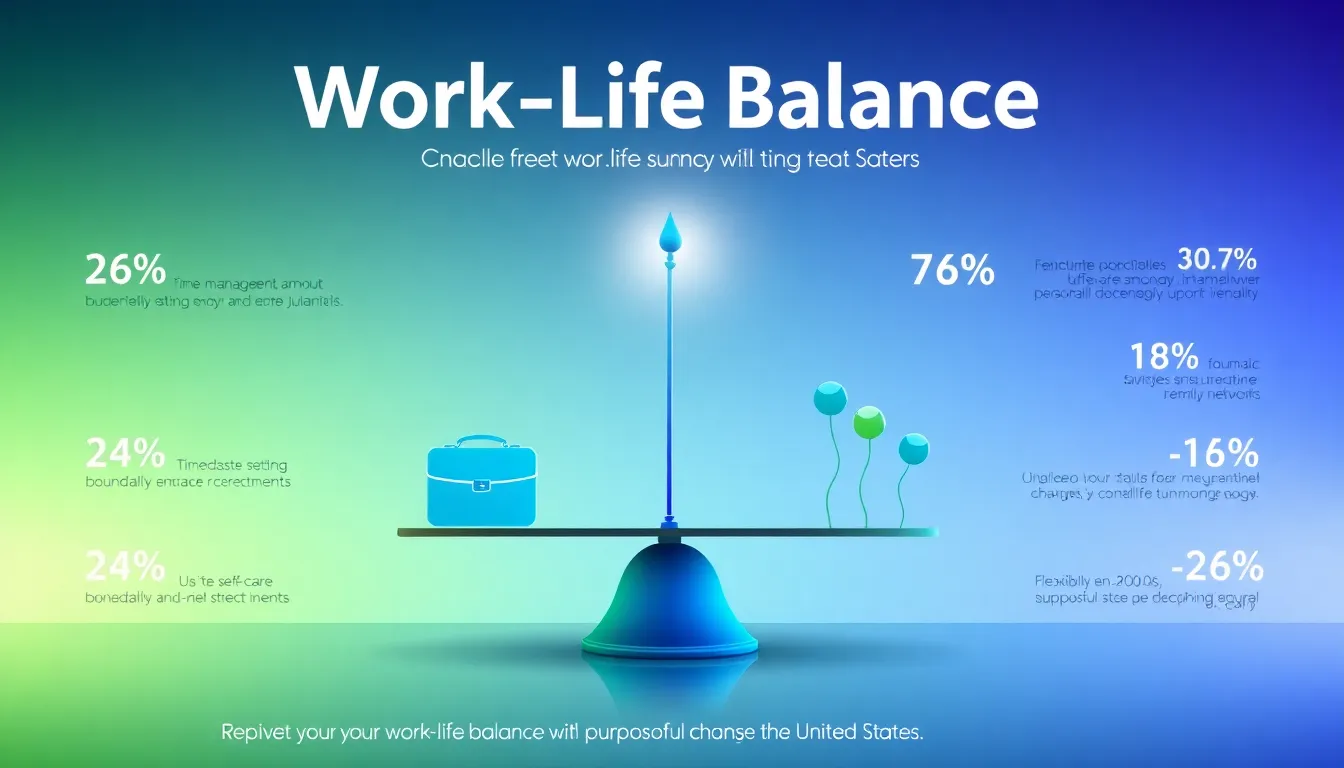
Ever felt like you’re drowning in work while your personal life is gasping for air? It’s like trying to juggle flaming swords while balancing on a unicycle, intense and a bit messy. But striking that elusive work-life balance is more possible than a three-legged dog winning a marathon. This article dives into how to craft the perfect work life balance infographic that captures the essence of equilibrium between professional and personal life. Ready to bring some order to the chaos? Let’s get started.
Understanding Work Life Balance
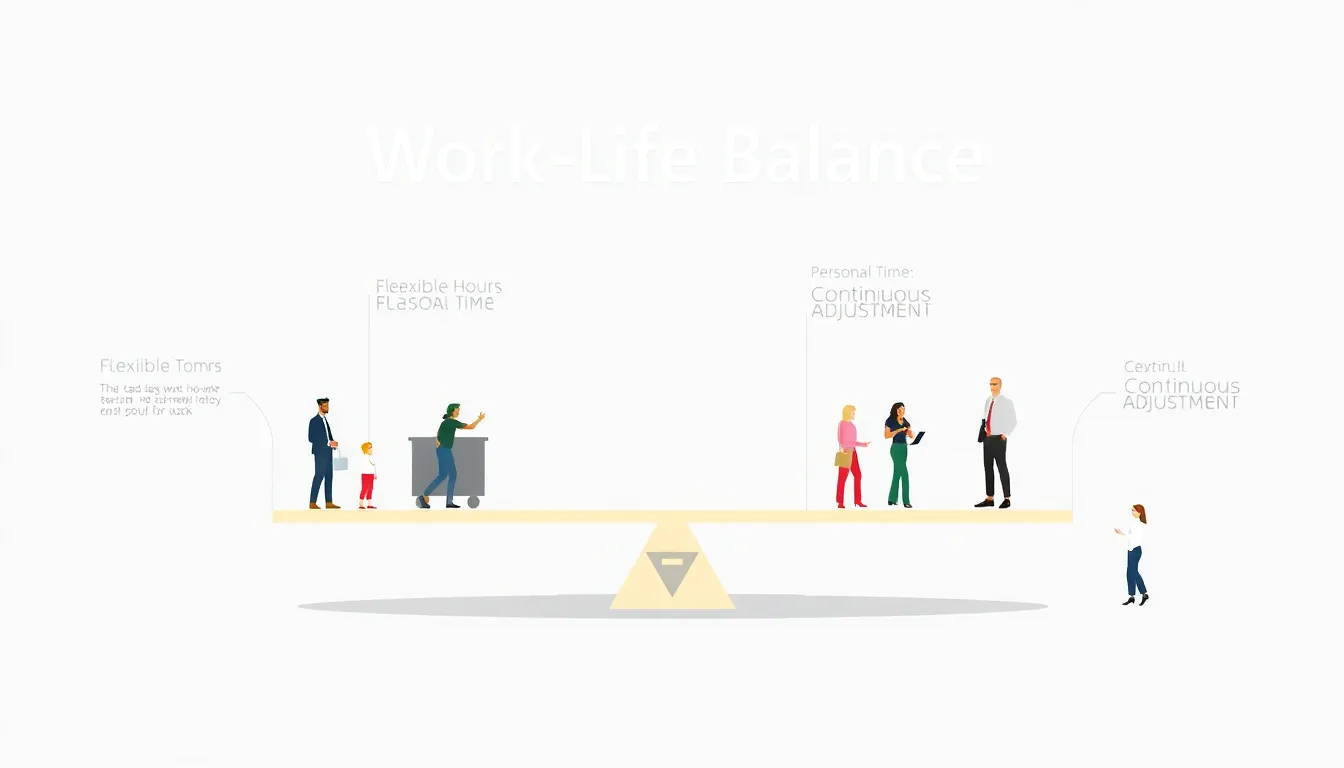
At its core, work life balance signifies the equilibrium between an individual’s work obligations and personal life. It’s not just about clocking out from the office at 5 PM, although that certainly helps. The concept encompasses a lifestyle that promotes well-being, productivity, and satisfaction in both realms. Imagine a seesaw, with work on one end and personal life on the other: keeping it balanced means adjusting weight as necessary to avoid tipping over into chaos.
To truly understand this balance, it’s crucial to recognize that each individual’s needs may differ. For some, it could mean flexible work hours, while for others, it may involve making time for hobbies or family. Achieving this state requires continuous reflection and adjustment, adapting to life’s shifting demands. Understanding work life balance is step one toward mastering it.
Importance of Work Life Balance
Why does work life balance matter? The answer sprouts from various factors, including health, happiness, and productivity. First, let’s tackle health. Overworking can lead to physical ailments like chronic stress, fatigue, and even heart disease. A balanced life, conversely, encourages healthier habits, think exercise, nutrition, and mental wellness.
Then there’s the happiness factor. Striking a balance can result in improved mental health and greater satisfaction in life. People often find that taking care of their personal lives enhances job performance and creativity. Happy employees tend to be more engaged and productive, boosting workplace morale for everyone.
Finally, businesses also benefit from fostering this balance. Organizations that prioritize employee well-being may see lower turnover rates and higher productivity, as happy employees naturally spill their joy into their work. Investing in work life balance pays dividends for both individuals and companies alike.
Key Components of Work Life Balance
Understanding the components of work life balance is crucial for crafting an effective infographic. Here are several key ingredients:
- Time Management: Efficiently managing time helps in dividing hours wisely between work tasks and personal activities, preventing spillover.
- Set Boundaries: Establishing clear boundaries between work and home life fosters a sense of separation, reducing stress and enhancing focus during personal time.
- Self-Care Practices: Incorporating self-care activities, such as hobbies, exercise, or simply rest, ensures mental and physical health do not take a backseat.
- Flexibility: Embracing flexibility at work allows individuals to respond to changing life demands, further supporting balance.
- Support Networks: Engaging with family and colleagues provides emotional support, making it easier to navigate challenges.
These components interact like a finely tuned orchestra, where each instrument plays a crucial role in creating harmony. Ignoring any part could disrupt the entire performance.
Creating an Effective Work Life Balance Infographic
When designing an effective work life balance infographic, several fundamental steps must be taken:
Tips for Achieving Work Life Balance
- Define Your Balance: Consider what a balanced life looks like for you. Everyone’s definition differs, so get clarity on your priorities.
- Visualize the Balance: Use charts or diagrams to highlight time spent on work versus personal life. A visual representation can be immensely impactful.
- Engage with Statistics: Include data that showcases the benefits of work life balance, numbers resonate with readers and lend credibility.
- Incorporate Color Psychology: Colors evoke emotions, so choose them wisely. For instance, blue may convey calmness, while green represents growth.
- Keep it Clear and Concise: Aim for clarity: the design should communicate the message quickly and efficiently. Too much clutter can turn readers away.
A well-crafted infographic not only presents information but also inspires and motivates viewers to seek balance in their own lives.
Tools and Resources for Better Balance
There are numerous tools and resources available to help individuals improve their work life balance:
- Time Tracking Apps: Tools like Toggl or Clockify allow users to measure time spent on various tasks, granting insights for adjustments.
- To-Do List Managers: Programs such as Todoist or Trello can help prioritize both work and personal tasks effectively.
- Meditation and Mindfulness Apps: Resources like Headspace or Calm promote mental well-being by encouraging mindful practices.
- Flexible Work Policies: Companies that promote flexibility offer employees the chance to adjust their schedules or work remotely, significantly impacting their balance.
Utilizing these tools can lead to smarter, healthier choices in managing life’s competing demands. By leveraging technology and supportive practices, individuals can take meaningful steps toward achieving a fulfilled life.