
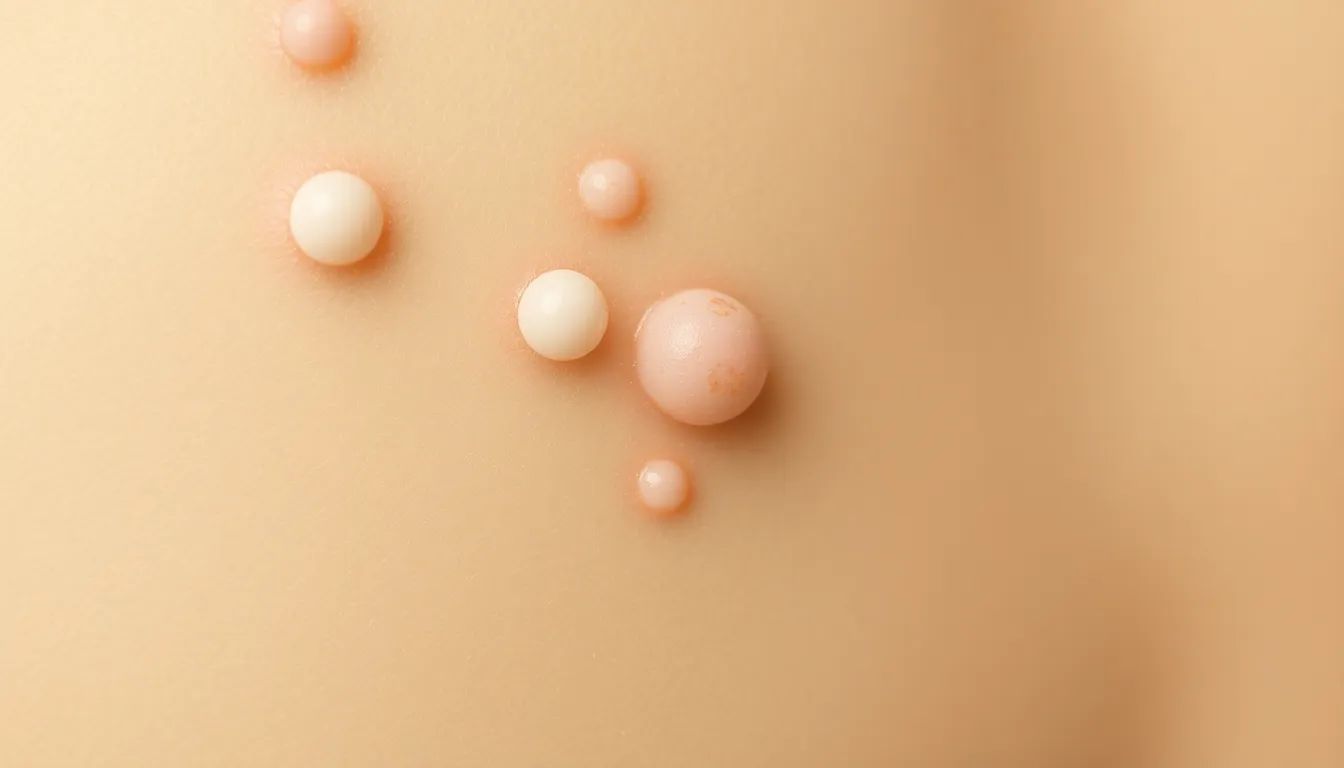
When it comes to the mysterious world of health, few topics are as intriguing—and often as awkward—as the appearance of granitos en el glande. Those little bumps can spark a whirlwind of questions and concerns. Are they harmless? Should they be treated? Or is it just the body’s way of saying “surprise!”?
Understanding Granitos En El Glande
Granitos en el glande refers to small, benign bumps often found on the glans. It’s essential to comprehend their characteristics and implications for overall health.
What Are Granitos?
Granitos are small, raised lesions that can appear on the glans of the penis. They often vary in color and texture, sometimes resembling white or skin-colored spots. In many instances, these bumps occur naturally and pose no health risks. Those who experience granitos might notice them during self-examinations. Healthcare professionals typically classify them as normal anatomical variations. Knowledge about their benign nature can alleviate unnecessary anxiety.
Common Causes of Granitos
Granitos can arise from several common causes, including sebaceous cysts and pearly penile papules. Blocked sebaceous glands frequently lead to the formation of small cysts. Pearly penile papules occur in many men and are considered a natural variant of penile anatomy. Irritation from friction during sexual activities may contribute as well. Infrequent hygiene habits can cause skin irritations, leading to bumps. Understanding these causes helps in distinguishing between harmless granitos and potential health concerns.
Identifying Symptoms
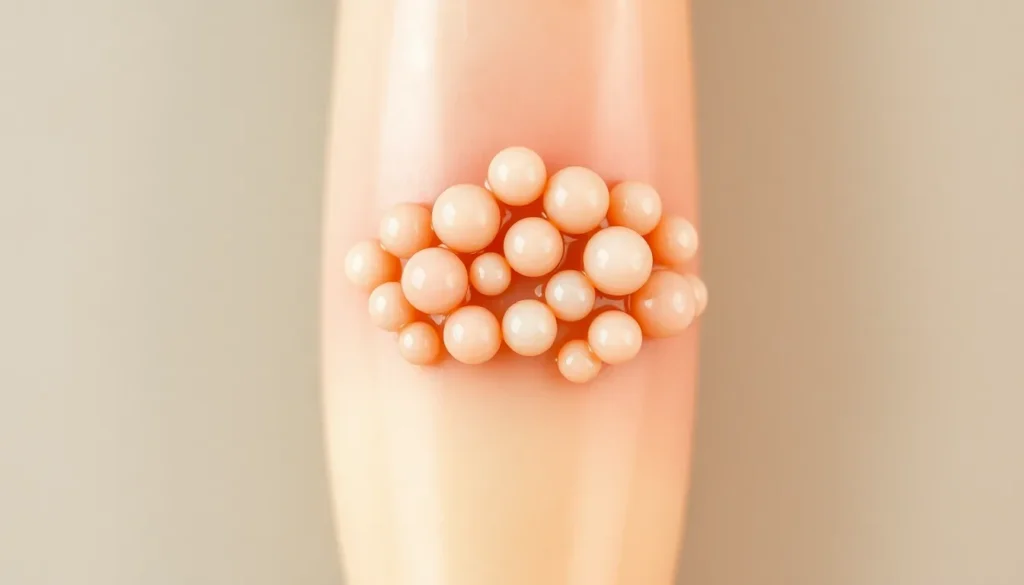
Identifying symptoms of granitos en el glande is essential for understanding their nature and implications. Recognizing visual characteristics and associated symptoms provides clarity in evaluating these bumps.
Visual Characteristics
Granitos typically appear as small, round bumps on the glans. Colors may vary from white to flesh-toned, and surfaces can be smooth or slightly textured. Most granitos measure between 1 to 3 millimeters in diameter. Many individuals notice them in clusters rather than isolated occurrences. Key visual traits include their non-painful nature and absence of inflammation. Being aware of these details helps differentiate normal variations from concerning conditions.
Associated Symptoms
Many people experience no significant symptoms associated with granitos. Occasionally, some may report mild itching or irritation, particularly with friction during sexual activities. Infrequent hygiene can sometimes lead to discomfort. When granitos are present without swelling or discharge, they usually indicate harmless conditions. Understanding which symptoms accompany the presence of granitos aids individuals in determining the next steps for their health.
Diagnosis Process
Proper diagnosis of granitos en el glande requires a thorough understanding of symptoms and potential underlying conditions. Medical evaluation often provides clarity regarding their harmless nature or need for treatment.
Importance of Medical Evaluation
Seeking medical evaluation ensures accurate assessment of the bumps. Healthcare professionals can differentiate between benign lesions and those requiring intervention. Individuals should consult with a doctor if they notice changes in size, color, or texture. Identification of any associated symptoms, such as discharge or pain, informs the evaluation. Timely medical advice alleviates anxiety surrounding the condition, promoting peace of mind.
Tests and Procedures
Various tests help healthcare providers make an accurate diagnosis. Visual examination serves as the initial evaluation method, allowing professionals to assess characteristics of the granitos. Dermatoscopy may follow, providing a magnified view of the lesions. In some cases, a biopsy is necessary to rule out serious conditions such as infections or malignancies. These procedures ensure thorough understanding of the bumps on the glans, guiding further treatment if necessary.
Treatment Options
Granitos en el glande may not require treatment in many cases. Approaching the topic of treatment options provides clarity for those experiencing concerns.
Home Remedies
Some individuals find relief through home remedies. Applying aloe vera gel can soothe irritation due to its anti-inflammatory properties. Warm compresses may reduce discomfort and promote healing. Maintaining good hygiene practices serves as a preventative measure, as it can lessen the likelihood of irritation. Natural oils, like coconut oil, can moisturize the area, easing any dryness. Regularly monitoring for changes helps identify if further intervention becomes necessary.
Medical Treatments
Consulting a healthcare professional is crucial when symptoms persist. Doctors may recommend topical treatments to address discomfort or irritation. In some cases, cryotherapy effectively removes unwanted lesions. Laser therapy is another option, particularly for individuals seeking aesthetic improvements. Antibiotics might be prescribed if an infection is present. Regular follow-up visits ensure the condition remains manageable. Proper evaluation promotes informed decisions regarding treatment paths.
Prevention Tips
Preventing granitos en el glande involves adopting specific hygiene practices and lifestyle changes. These strategies help maintain overall genital health and reduce the risk of developing bumps.
Maintaining Hygiene
Proper hygiene is crucial for preventing granitos. Regular washing with mild soap keeps the area free from irritation and buildup. Daily cleaning removes dead skin cells, oil, and sweat that can contribute to lump formation. Ensuring thorough drying post-cleaning helps avoid moisture, as damp conditions can encourage bacterial growth. Wearing breathable, cotton underwear allows for better air circulation, decreasing irritation. Regular self-examinations promote early detection of changes, ensuring timely medical advice if necessary.
Lifestyle Changes
Incorporating lifestyle changes also supports prevention. Reducing friction during sexual activities minimizes irritation on the glans. Opt for water-based lubricants during intercourse, as they help decrease rubbing and abrasion. Maintaining a healthy diet contributes to skin health, supporting the body’s natural defenses. Staying hydrated aids in overall tissue health, preventing dryness. Additionally, quitting smoking and limiting alcohol intake can improve circulation and skin integrity, which helps reduce the chances of developing granitos.
Granitos en el glande are often benign and can be a normal variation in anatomy. Understanding their characteristics helps individuals manage any concerns and reduces anxiety. While many cases require no treatment, recognizing changes in size or appearance is crucial for overall health.
Maintaining good hygiene and making lifestyle adjustments can significantly reduce irritation and the likelihood of developing these bumps. Consulting a healthcare professional for persistent symptoms ensures proper diagnosis and treatment if necessary. With informed awareness and proactive measures, individuals can confidently address their genital health and enjoy peace of mind.


