

Life’s all about balance, right? But what happens when that balance goes haywire? Balance challenges can sneak up on anyone, whether it’s trying to stand on one leg while sipping coffee or navigating the treacherous terrain of a yoga class. These challenges aren’t just for circus performers; they can affect daily activities and even lead to some hilarious mishaps.
Understanding Balance Challenges
Balance challenges can impact individuals during various activities, not just in performance settings. These challenges occur unexpectedly, affecting everyday movements.
Definition and Types
Balance challenges refer to difficulties in maintaining stability while standing, walking, or performing other actions. Several types exist, including static balance challenges, which occur when standing still, and dynamic balance challenges, which happen while in motion. Vestibular imbalance, related to the inner ear, disrupts spatial orientation. Proprioceptive balance difficulties stem from issues with sensory feedback about body position. Each type presents unique obstacles that can interfere with daily routines.
Causes of Balance Challenges
Multiple factors contribute to balance challenges. Age-related changes often lead to decreased muscle strength and flexibility. Neurological disorders, such as Parkinson’s disease, can impede coordination and movement. Additionally, inner ear dysfunction affects balance, creating dizziness. Medications may also have side effects that impact stability. Injuries, particularly to the legs or feet, frequently lead to balance problems. Understanding these causes helps in developing effective strategies for improvement.
Effects on Daily Life
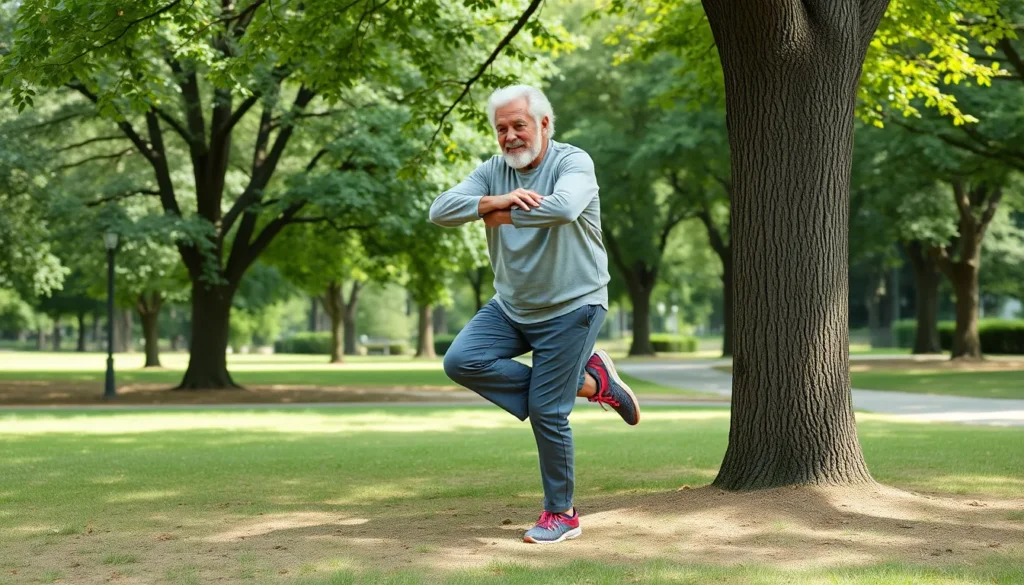

Balance challenges often affect various aspects of daily life, impacting both physical abilities and emotional well-being. These challenges can disrupt normal routines, leading to difficulties in simple tasks.
Physical Impact
Balance issues can lead to increased risk of falls and injuries. Individuals may struggle with tasks such as walking, bending, or climbing stairs. Stability problems during activities like standing or reaching can significantly affect mobility. Data shows that older adults are particularly vulnerable, with falls being a leading cause of injury. Maintaining core strength and practicing balance exercises can mitigate these risks. Addressing physical challenges is crucial for overall safety and independence.
Emotional and Social Consequences
Emotional well-being often suffers due to balance difficulties. Individuals may experience frustration or anxiety about falling, leading to avoidance of social situations. Isolation can become a significant concern, as fear of accidents discourages participation in activities. Additionally, confidence levels may decline, impacting self-esteem. Support from friends and family can help individuals navigate these social challenges. Recognizing the emotional aspects of balance issues facilitates a more comprehensive approach to treatment and recovery.
Assessment Techniques
Assessment techniques play a crucial role in understanding balance challenges. Clinicians and individuals use various approaches to identify specific balance issues effectively.
Clinical Evaluations
Clinical evaluations involve structured assessments by healthcare professionals. These assessments often include physical examinations, balance tests, and reviews of medical history. Common tests such as the Berg Balance Scale and Timed Up and Go test measure static and dynamic balance, providing quantifiable data. Clinicians analyze individuals’ performance to determine functional limitations and potential intervention strategies. Neurological assessments may also evaluate vestibular and proprioceptive functions. Accurate evaluations enable tailored treatment plans to enhance balance and stability.
Self-Assessment Tools
Self-assessment tools empower individuals to gauge their balance independently. Simple questionnaires help identify perceived balance problems, while activities like single-leg stands or heel-to-toe walks offer practical insights. Many tools focus on daily activities, providing a clearer picture of how balance affects everyday life. Utilizing these self-assessments aids in monitoring progress over time. Individuals can track improvements and identify areas needing additional attention, fostering a proactive approach to balance management. Regular self-assessment ensures a better understanding of personal balance challenges and motivates individuals to engage in improving strategies.
Treatment and Management Strategies
Effective treatment and management strategies for balance challenges focus on restoring stability and enhancing overall well-being. Approaches include physical therapy, targeted exercises, and patient engagement.
Physical Therapy Options
Physical therapy plays a critical role in addressing balance challenges. A trained therapist assesses individual needs and designs personalized programs. These programs often incorporate strength training, flexibility exercises, and coordination activities. Improving core strength remains essential in facilitating better balance. Therapists may also utilize specialized techniques such as vestibular rehabilitation, which targets inner ear issues. Regular sessions can enhance stability and reduce the risk of falls, significantly improving daily functioning.
Home-Based Exercises
Home-based exercises offer convenience in managing balance challenges. Simple movements, like heel-to-toe walking, contribute significantly to stability. Engaging in balance exercises, such as single-leg stands or yoga poses, reinforces muscle coordination. Using stability aids like balance boards or even kitchen counters provides added support. Consistent practice at home can lead to gradual improvements. Individuals can also incorporate activities like tai chi, which promotes fluid movement and enhances proprioception. Integrating these exercises into daily routines helps mitigate balance difficulties effectively.


