Italy isn’t just famous for its pizza and pasta: it’s the birthplace of a highly refined coffee culture that captivates both locals and tourists alike. Ever wandered into a café in Rome, ordered an espresso, and felt like you’d just stepped into a vibrant play where every sip comes with its own story? This is the essence of Italian coffee culture, a blend of history, passion, and ritual that turns a simple cup of coffee into an experience. Join us as we unravel the rich tapestry of Italian coffee, where every sip speaks volumes.
Historical Roots of Italian Coffee
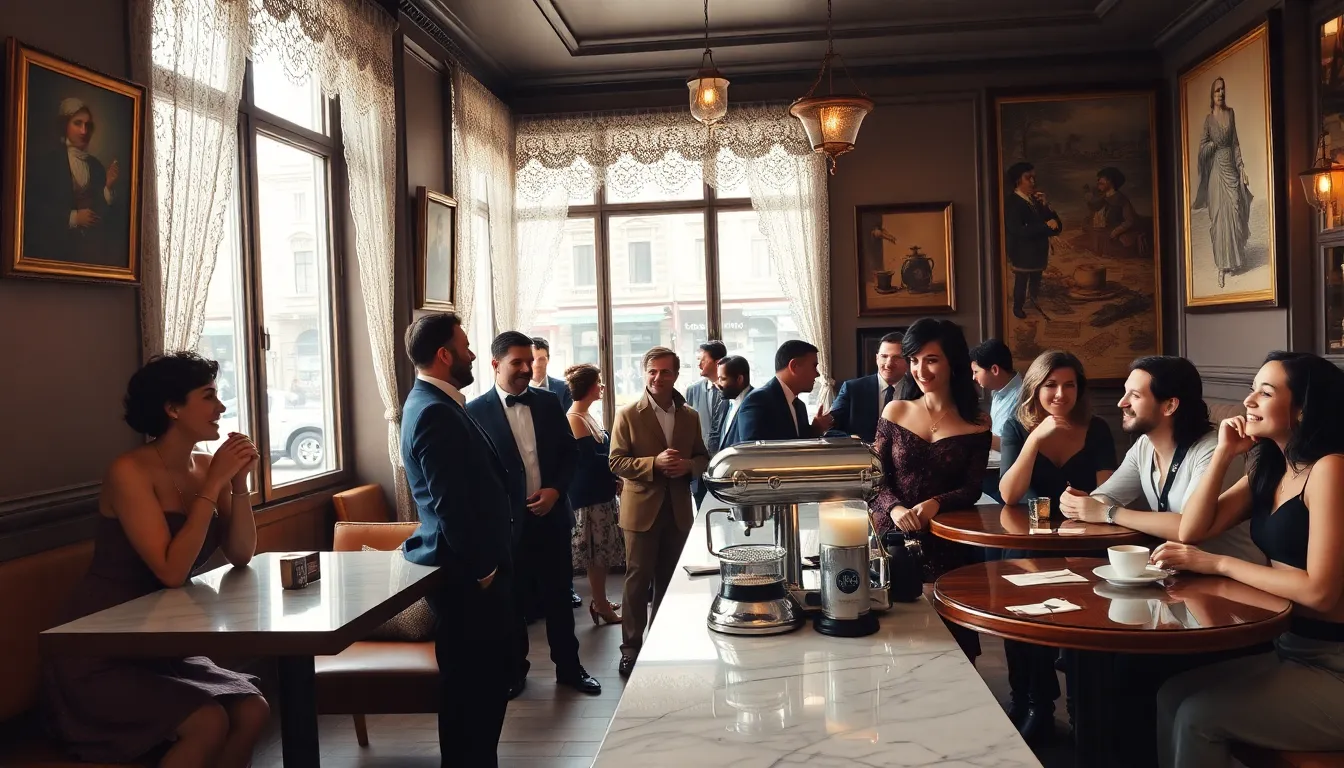
Coffee made its way to Italy in the 16th century, a time when it was still cloaked in mystique. Initially viewed with suspicion, it was often labeled as the drink of the devil. Can you imagine? Shakespeare even alluded to coffee in his works, signifying its rising relevance. But, as the years passed, the enchanting aroma of coffee began to lure people in, leading to the establishment of the first coffeehouse in Venice in 1645.
Fast forward to the 18th century, and coffee culture had taken off in major cities like Florence, Paris, and London. In Italy, coffee began to transform from a mere drink to a social phenomenon. This period saw coffeehouses become cultural hubs where artists, thinkers, and politicians gathered to sip and scheme, zealously discussing everything under the Tuscan sun.
By the time espresso machines were introduced in the late 19th century, Italian coffee culture evolved dramatically, marking the emergence of what we now know as espresso. This small, strong shot of coffee would soon become the very heart of Italy’s coffee identity.
The Espresso: The Heart of Italian Coffee
Espresso is more than just a coffee: it’s a ritual, an art form, and perhaps even a lifestyle in Italy. Every barista learns the craft of pulling the perfect shot, which requires precision and skill. A typical espresso is robust, intense, and served in a small cup, just the right size for a quick pick-me-up.
In restaurants, Italians often enjoy their espresso after meals. It’s believed to aid digestion, but mostly, it’s a delicious way to wrap up a meal. While abroad, many people mistakenly think that ordering an espresso is about the quantity. In Italy, it’s all about quality, every sip should be a burst of flavor and energy.
From the moment the barista grinds the beans to the sound of hot water forcing through them, the espresso experience exudes a unique charm. The entire process is a symphony of sounds and smells that draws in patrons and keeps them coming back for more.
Popular Coffee Drinks in Italy
While espresso reigns supreme, Italy boasts a variety of coffee drinks that cater to different tastes and preferences. Take, for instance, the macchiato, a delightful concoction that features a shot of espresso topped with a small amount of frothy milk. It’s the perfect balance of strong coffee and creamy goodness.
Another favorite is the cappuccino, often enjoyed in the morning. The traditional ratio of espresso to steamed milk and foam results in a drink that’s both decadent and satisfying. But, don’t expect to see Italians ordering cappuccinos after 11 AM, doing so would be seen as a breach of coffee etiquette.
Then there’s the caffè corretto, an espresso “corrected” with a splash of liquor, commonly grappa or sambuca. This drink is popular among those who fancy an extra kick to their day, not just in flavor but also in spirit. For a sweet note, the bicerin, a luscious blend of espresso, hot chocolate, and cream from Turin, will have you questioning whether it’s dessert or a drink.
Slipping into the Italian coffee landscape reveals a world where each drink tells a different story, reflecting local traditions and tastes.
The Daily Coffee Ritual in Italy
For Italians, coffee is intricately woven into the fabric of daily life. Each morning begins not just with a wake-up call but with a ritual of sipping a quick espresso before heading out. Picture bustling streets filled with people savoring their morning caffè at the bar while standing shoulder to shoulder with friends or colleagues, a far cry from the solitary coffee shop experience often found elsewhere.
Post-lunch, the coffee ritual resumes, with a focus on enjoying a leisurely cup rather than rushing. During these moments, laughter, conversation, and community flourish. In fact, many Italians view coffee as an opportunity to connect, making any coffee break a significant social event.
Even in the workplace, the beloved coffee machine serves as a catalyst for camaraderie, where colleagues gather to discuss projects, share jokes, and bond over freshly brewed cups. It’s less about the drink itself and more about the moments shared over it.
Regional Differences in Coffee Culture
As one travels throughout Italy, they discover that coffee culture isn’t monolithic: it’s beautifully diverse. Each region brings its own flair, leading to unique local favorites. In Naples, for instance, the caffè alla napoletana is a must-try, brewed using a distinct method that infuses extra richness into the cup.
Head north to Milan, and you’ll find sophisticated coffee bars where patrons sip refined blends in chic surroundings. These urban spaces are more than just cafés: they epitomize style and sophistication. In Bologna, on the other hand, coffee tends to be more traditional, often served strong and dark, paired with delicious pastries.
Even the way coffee is enjoyed differs. In Sicily, it’s customary to have a caffè con panna, which comes topped with whipped cream. In contrast, in the northern regions, coffee houses often offer almond milk or soy milk options, reflecting contemporary dietary trends. This delicious patchwork of regional culture highlights how coffee acts as both an individual pleasure and communal fabric.
The Role of Cafés in Italian Society
Cafés in Italy are more than just places to grab a cup of coffee: they serve as vital social hubs. Imagine a bustling café, where the cacophony of laughter and conversations mixes with the sound of coffee grinding. They’re where friendships blossom, business deals are struck, and ideas are exchanged.
Besides, cafés often display local art and host events, contributing to the community’s artistic and cultural vibrancy. Whether it’s a jazz night or an art exhibit, these spaces foster creativity and social engagement. Residents often spend hours lounging at their favorite café, savoring every moment as if time had frozen, simply because they can.
This integral role of cafés underscores the Italian ethos, life should be enjoyed, and coffee serves as the medium through which these moments are shared.
Modern Trends and Global Influence
In recent years, Italian coffee culture has not only evolved but also adapted to global influences, making it more accessible to coffee enthusiasts worldwide. The rise of specialty coffee has introduced new brewing methods and flavor profiles, challenging traditional norms. Cold brew and nitro coffee have made their appearances on Italian shores, much to the delight of younger generations.
On social media platforms, coffee art has taken off, with many Italians now turning their daily coffee routines into visually appealing experiences to share with followers. This trend allows for creativity, making each cup not only a drink but a canvas for personal expression.
While modern twists bring fresh perspectives, the core of Italian coffee culture remains robust, paying homage to the deep-rooted traditions that define it. As global coffee trends continue to influence Italian practices, a delightful fusion has emerged, captivating both locals and tourists alike.